September 14, 2026
Preparing for Fall: Seasonal Wellness Tips for Seniors and Adults with Daily Support Needs

Imagine welcoming fall with crisp mornings, nourishing meals, meaningful conversations, and a steady routine that helps you feel safe and confident. As daylight shortens and temperatures change, a little preparation can support physical health, emotional balance, and everyday independence.
For seniors and adults living with daily support needs, seasonal transitions may bring concerns about loneliness, disrupted routines, medication changes, reduced mobility, or mood shifts. With thoughtful planning and compassionate support, fall can be a season of connection, comfort, and renewed vitality.
At The Wright of Passage Legacy, our mission is clear: "The Wright of Passage Legacy provides a pathway supporting individuals requiring assistance to live their best life to the fullest." We believe every person deserves dignity, autonomy, and the opportunity to thrive in a nurturing, family-style environment.
Why Fall Wellness Planning Matters
Changes in weather and daylight can affect sleep, mood, energy, appetite, and mobility. Wet leaves, dimmer evenings, and cooler temperatures may also increase fall risks around the home.
The goal is not to take independence away. Instead, intentional support helps you remain involved in decisions, routines, and activities while receiving assistance where it is genuinely needed.
A helpful fall wellness plan includes:
- Safe and comfortable surroundings
- Consistent medication routines
- Nutritious meals and regular hydration
- Gentle movement and balance support
- Meaningful social connection
- Early attention to changes in mood or behavior
- Access to medical and community resources
Step 1: Revisit Your Daily Routine
Routine can provide comfort and predictability, especially for adults managing changes in mood, memory, or energy. A consistent schedule may help reduce stress and make daily tasks feel more manageable.
Together with your care team or family, review:
- Wake-up and bedtime schedules
- Mealtimes and hydration reminders
- Medication times
- Personal care routines
- Appointments and transportation needs
- Favorite recreational or social activities
- Rest periods and quiet time
A routine should offer structure without feeling restrictive. Whenever possible, you should have choices about what to wear, what to eat, which activities to enjoy, and how to spend your day.
Our personal assistance services are designed to provide support with daily living while encouraging dignity, comfort, and independence.
Step 2: Support Medication Safety
Fall is an excellent time to review medications with your physician, pharmacist, or qualified care team. Some medications may cause dizziness, drowsiness, confusion, or changes in balance. Never stop or change a medication without speaking with the prescribing provider.
Helpful medication safety steps include:
- Keep an updated list of prescriptions, over-the-counter medicines, and supplements.
- Take medications at the times directed by your healthcare provider.
- Ask whether any medication may affect balance or alertness.
- Report new side effects, confusion, dizziness, or changes in mood.
- Use reminders, pill organizers, or caregiver support when appropriate.
- Bring your medication list to medical appointments.
Our medication reminders are given as part of each resident's daily routine. The purpose is to promote safety while helping you remain as involved as possible in your own healthcare decisions.
Step 3: Make the Home Safer for Fall Weather
A safe environment can make it easier to move confidently. Walk through the home and look for hazards that may become more concerning as daylight decreases or rainy weather arrives.
Consider these simple improvements:
- Remove loose rugs, clutter, and electrical cords from walkways.
- Keep hallways, bathrooms, and entrances well lit.
- Add night-lights near the bedroom and bathroom.
- Use handrails on stairs and grab bars where recommended.
- Wear sturdy, non-slip shoes rather than loose slippers.
- Keep frequently used items within easy reach.
- Wipe up spills promptly.
- Use a cane, walker, or other assistive device as recommended.
The CDC STEADI fall-prevention resources offer additional guidance for reducing fall risks and supporting safe mobility.
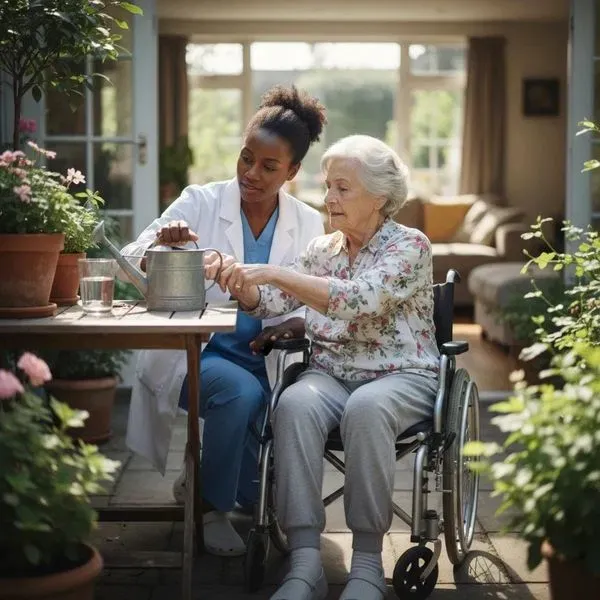
Step 4: Protect Emotional and Everyday Well-Being
Shorter days and colder weather may lead some people to spend more time indoors. For adults already feeling isolated, grieving, or managing low mood, this can feel especially difficult.
Small, consistent activities can help uplift the mind and spirit:
- Sit near a bright window or enjoy safe outdoor daylight when possible.
- Keep regular sleep and wake times.
- Practice calming activities such as breathing exercises, music, prayer, journaling, or gentle stretching.
- Participate in creative activities, games, gardening, or conversation.
- Schedule regular calls or visits with family and trusted friends.
- Share changes in mood with a healthcare provider early.
- Ask about community programs, peer support, or other local resources.
Our holistic wellness approach considers physical, emotional, and social well-being together. A painting activity, a shared meal, or a friendly conversation can be just as meaningful to a person's overall wellness as a medical appointment.
The National Council on Aging recommends healthy routines, social connection, appropriate treatment, physical activity, and consistent medication use as important parts of emotional wellness for older adults.
Step 5: Nourish the Body With Family-Style Meals
Cooler weather invites comforting meals, but nutrition remains an important part of strength, immunity, energy, and mood. Aim for balanced meals that include:
- Lean protein such as poultry, fish, eggs, beans, or lentils
- Seasonal vegetables such as squash, pumpkin, leafy greens, and carrots
- Whole grains and fiber-rich foods
- Fresh fruit
- Adequate water throughout the day
- Warm soups, herbal tea, or other nourishing fluids
At The Wright of Passage Legacy, our nutritious family-style meals help make dining a welcoming social experience. We provide 3 meals a day and snacks while considering individual dietary needs, preferences, and care recommendations.

Step 6: Stay Connected Through Meaningful Activities
Connection supports confidence, purpose, and emotional resilience. Fall activities do not need to be complicated or expensive. Consider:
- A shared art or coloring activity
- Listening to favorite music
- Baking or preparing a simple meal
- Watching a familiar movie together
- Reading aloud or discussing a book
- Taking a safe, supervised walk
- Attending a faith, wellness, or community program
- Calling a loved one at a consistent time each week
Our boarding home and supportive services are designed around a family-oriented atmosphere where individuals can receive assistance while continuing to build relationships and participate in daily life.
How Our Services Support a Healthy Fall
Seasonal wellness is easier when support is coordinated and personal. Depending on individual needs, our services may include:
- Personalized compassionate care plans
- Assisted daily living
- Medication reminders
- Housekeeping and laundry
- Nutritious meals and snacks
- Social, educational, and therapeutic activities
- Community resource access and transportation support
Whether you are exploring in-home support for seniors, help for seniors at home, care planning for families, or daily living assistance for seniors, we encourage you to focus on the whole person: not just the tasks that require help.

Frequently Asked Questions
What should I look for in a family-style assisted living environment?
Look for a clean, safe, welcoming home where residents are treated with respect. Ask how care plans are created, how independence is encouraged, how meals are provided, and how staff respond to day-to-day needs.
Can adults with daily support needs benefit from residential support?
Yes. A structured, nurturing setting may provide routine, companionship, daily living assistance, and connections to appropriate healthcare and community resources. Support needs vary, so ask whether the home can support the individual's specific care plan.
How can I find senior care near me?
Start by contacting trusted local providers, asking your healthcare team for referrals, and reviewing services carefully. Families searching for "senior care near me" should also ask about availability, staff training, care planning, transportation, meals, and emergency procedures.
What if mood or behavior changes during the fall?
Contact the person's physician or healthcare provider if changes persist, worsen, or interfere with daily life. If someone is in immediate danger, call 911 for an emergency.
Take One Gentle Next Step
Preparing for fall does not require changing everything at once. Begin with one manageable step: schedule a medication review, clear a walkway, plan a nourishing meal, or reach out to a trusted support provider.
At The Wright of Passage Legacy, we are here to help you and your family create a safe, compassionate pathway toward greater comfort, connection, and independence. Contact us at (832) 431-4357 or use our contact page to learn more about our family-focused care and supportive services.
Service status: Home health, HCSSA, and Personal Assistance Services (PAS) are an expansion in progress, with licensing in progress; these services are not yet operational through us. The Wright of Passage Legacy is NOT yet accepting Medicare referrals until certification is complete. Payment options are private pay and long-term care insurance only.
Have questions about our services?
Contact Us