Home Health vs. Personal Assistance: Which One Does Your Loved One Actually Need?
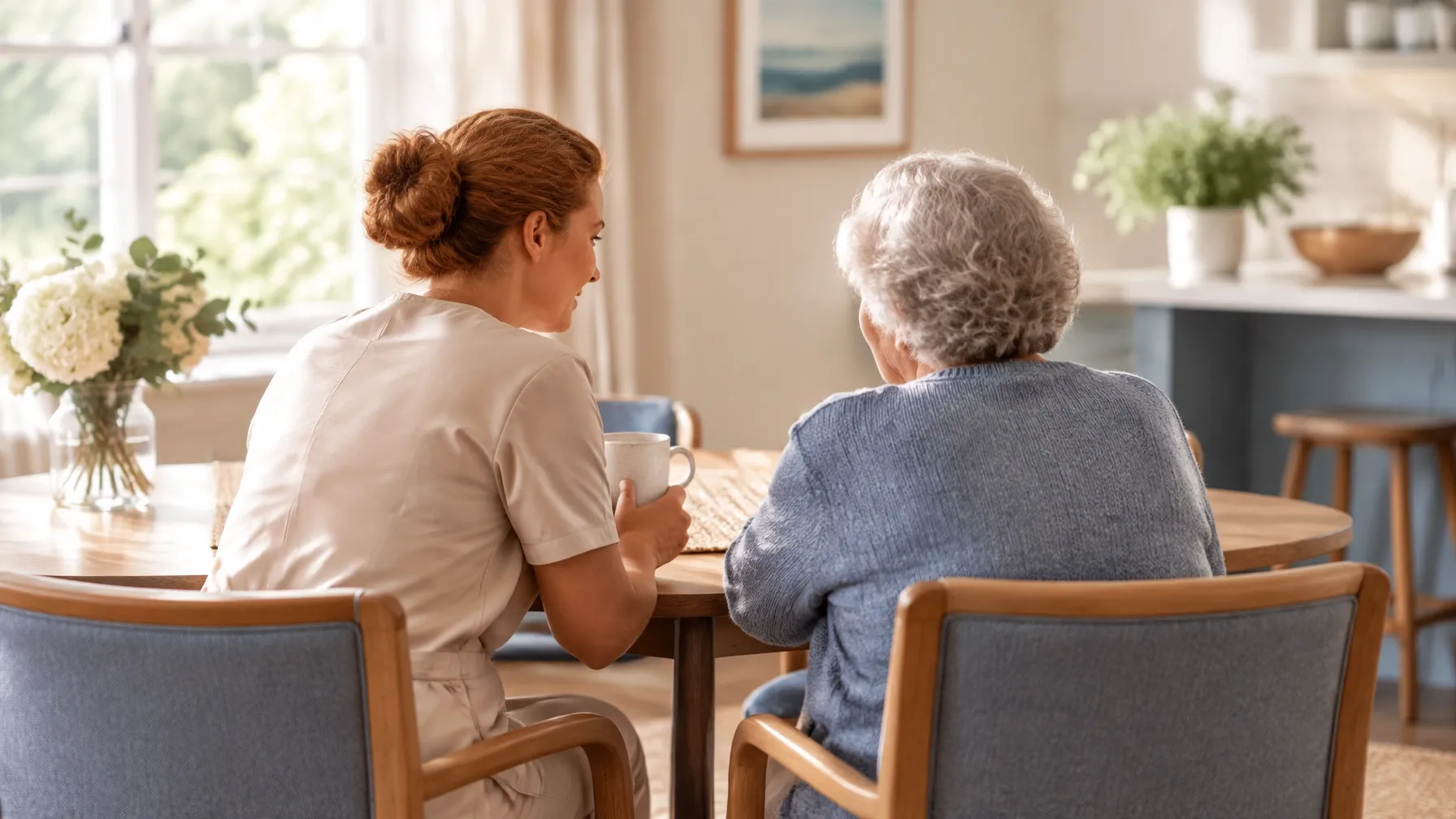
Imagine your loved one feeling safe, supported, and respected, while still making everyday choices with dignity and confidence. For many families, the right care begins with understanding one important difference:
- Skilled home health provides medical care and therapy at home.
- Personal assistance provides non-medical help with daily living and household routines.
This distinction also matters for hospital discharge planners, skilled nursing facility teams, physician offices, and care coordinators helping families create a safe next step.
At The Wright of Passage Legacy, we believe care should support the whole person, not just a task list. The Wright of Passage Legacy provides a pathway supporting individuals requiring assistance to live their best life to the fullest.
The Difference in One Sentence
Skilled home health is ordered clinical care delivered by licensed professionals under a plan of care.
Personal assistance services (PAS) are non-skilled supports that help someone bathe, dress, eat, manage routines, maintain a home, and remain connected to daily life.
Some people need one service. Many need both at different times.
What Is Skilled Home Health?
Skilled home health is designed for medical recovery, clinical monitoring, rehabilitation, or maintaining function safely at home. A physician or other authorized healthcare provider generally orders services, and the home health agency develops a care plan.
Depending on the individual’s needs, skilled home health may include:
- Skilled nursing
- Physical therapy (PT)
- Occupational therapy (OT)
- Speech-language therapy
- Medical social work
- Home health aide services provided under a skilled plan of care
- Patient and family education
- Health monitoring and coordination with the medical team
For example, a nurse may provide ordered clinical services, monitor changes, reinforce healthcare teaching, or help coordinate communication with providers. A therapist may help someone improve strength, mobility, communication, or the ability to complete daily activities more safely.
Home health is usually goal-oriented and time-limited, although the length of service depends on medical necessity and the plan of care.
Medicare explains that covered home health may include medically necessary intermittent skilled nursing, therapy, medical social services, and limited aide services when eligibility requirements are met. See the official Medicare home health services guidance for more information.

What Is Personal Assistance?
Personal assistance is non-skilled support with activities of daily living, often called ADLs, and routine household needs. It is intended to promote safety, independence, comfort, and quality of life.
Personal assistance services PAS may include:
- Bathing and shower support
- Dressing and grooming
- Toileting and personal hygiene assistance
- Walking, transfers, and safe mobility support
- Meal planning and preparation
- Eating assistance, when appropriate
- Light housekeeping
- Laundry and linen changes
- Companionship and conversation
- Routine reminders
- Support with a daily schedule
- Medication reminders
- Family-centered communication about routine needs
Personal assistance does not replace skilled nursing or therapy. A personal caregiver typically does not perform clinical procedures, change medication doses, provide skilled assessments, or create a medical treatment plan.
Medication reminders are also different from clinical medication management. A caregiver may remind someone to take medication according to existing instructions, while a licensed nurse may provide clinical education, assessment, or coordination within an authorized plan of care.
Learn more about The Wright of Passage Legacy’s Personal Assistance Services.
Quick Comparison: Which Service Fits?
| Need | Skilled Home Health | Personal Assistance |
|---|---|---|
| Main purpose | Medical care, rehabilitation, or clinical monitoring | Daily living support, safety, and companionship |
| Typical providers | Nurses, PTs, OTs, speech therapists, medical social workers, supervised aides | Personal caregivers or non-skilled aides |
| Common tasks | Skilled nursing, therapy, education, clinical monitoring | Bathing, dressing, meals, housekeeping, laundry, reminders |
| Doctor’s order | Generally required | Usually arranged directly with a provider |
| Schedule | Often intermittent and goal-oriented | Flexible and may be short-term or ongoing |
| Payment | Often insurance-based when eligibility requirements are met | Typically private pay or long-term care insurance |
| Medicare | May cover eligible skilled services | Generally does not cover stand-alone custodial or personal care |
How Do You Know Which One You Need?
Use this simple decision checklist. It can help families and referral partners begin the conversation.
Choose Skilled Home Health When:
- A healthcare provider has ordered nursing or therapy
- The person needs clinical monitoring at home
- There is a need for PT, OT, or speech therapy
- A recent hospital or facility stay requires skilled follow-up
- The goal is recovery, rehabilitation, education, or clinical stabilization
- A plan of care requires licensed professionals
Choose Personal Assistance When:
- The primary need is help with bathing, dressing, grooming, toileting, or eating
- The person needs assistance preparing meals
- Household tasks such as laundry or light housekeeping have become difficult
- Medication reminders would improve consistency and safety
- Companionship, routine, and supervision would reduce isolation
- A family caregiver needs dependable support or respite
- The need is ongoing daily living assistance for seniors or other adults who want to remain as independent as possible
Consider Both When:
- Skilled services are needed for a specific medical or rehabilitation goal and
- Ongoing help is needed between clinical visits
For example, home health may visit intermittently for nursing or therapy, while personal assistance provides the daily support that helps someone eat well, maintain routines, and move through the day safely.
Payer Reality: What Usually Gets Covered?
This is one of the most important questions to ask early.
Skilled home health is often insurance-based. Medicare, Medicare Advantage plans, Medicaid programs, or private health insurance may cover eligible skilled services when requirements are met. Coverage can depend on medical necessity, provider orders, homebound status, the agency’s certification, and the specific insurance plan.
Personal assistance is typically private pay or covered by long-term care insurance. Medicare generally does not pay for stand-alone help with bathing, dressing, meals, cleaning, supervision, or companionship.
Some individuals may qualify for Medicaid or state Personal Assistance Services programs, depending on financial and functional eligibility. Families should confirm benefits directly with their insurer or benefits coordinator.
A Note About Our Home Health Expansion
The Wright of Passage Legacy’s home health expansion is in progress. We are building our capacity to support individuals and families with home health-related services, including skilled nursing, therapy partnerships, and personal care support.
At this time, we are not yet accepting Medicare referrals. Please contact us directly to discuss current service availability, private-pay options, long-term care insurance, or appropriate next steps.
Why Choose Us? Compassionate Care With a Family-Style Approach
Whether you are searching for home health care near me, senior care near me, or caregivers near me , the most important question is not only what a provider does. It is how your loved one will feel while receiving care.
At The Wright of Passage Legacy, we focus on:
- Dignity in every interaction
- Respect for personal choices and autonomy
- A clean, safe, spacious environment
- Personalized support plans
- Family-style meals and meaningful routines
- Medication reminders and daily living assistance
- Warm communication with families and referral partners
- Compassionate care that supports the fullness of everyday life
For individuals who need a supportive place to live, explore our boarding home for adults and adult residential care home options.
Frequently Asked Questions
Is personal assistance the same as home health?
No. Personal assistance is non-medical help with daily living and household routines. Home health is skilled clinical care provided by nurses, therapists, and other qualified professionals under a plan of care.
Can someone receive both services?
Yes. Many people benefit from skilled home health for time-limited clinical needs and personal assistance for ongoing daily support. The services have different purposes and may be arranged separately.
Does Medicare pay for personal assistance?
Usually not when personal assistance is the only service needed. Medicare may cover limited home health aide support when the person is also receiving eligible skilled nursing or therapy. It generally does not cover ongoing custodial care, homemaker services, or companionship alone.
Does personal assistance include medication administration?
Personal assistance may include medication reminders, depending on the provider’s policies and the care plan. Medication administration, clinical assessment, dose changes, and other medical tasks may require a licensed professional.
What should a referral partner send?
Please share only the information necessary to begin a conversation and follow your organization’s privacy policies. Helpful information may include the person’s basic contact information, requested service, living situation, payer questions, and the best family or decision-maker contact. Do not include unnecessary protected health information through an unsecured channel.
How can I refer someone to The Wright of Passage Legacy?
Use the Easy Referral Form on our referral page, visit www.thewrightofpassagelegacy.com, or call (832) 431-4357.
We serve families and referral partners in NW Houston, Cypress, and Katy.
Take the Next Small Step
You do not have to solve every care question in one conversation. Start by identifying whether the main need is clinical care, daily living support, or a combination of both.
Then reach out. We are happy to listen, clarify options, and help you explore a path rooted in safety, dignity, independence, and compassionate care.
Call The Wright of Passage Legacy at (832) 431-4357, visit www.thewrightofpassagelegacy.com, or complete the Easy Referral Form online. Together, we can help your loved one move toward a more supported and vibrant life.
Have questions about our services?
Contact Us